Journal · Mexico City · Destination weddings
A Symbolic Wedding Ceremony in Mexico: Meaning, Traditions, and the Freedom to Make It Your Own
There's something special about choosing Mexico as the place where you want to celebrate your wedding, maybe it's the landscapes, the architecture, the warmth of its people, or simply the feeling of being somewhere different with everyone you love.
By Luis Corona
But beyond the setting, there is something worth thinking about: what does your wedding ceremony actually mean to you? For couples traveling from another country to celebrate their wedding in Mexico, there is no single way to do things and one of the most beautiful things about planning a destination wedding is having the freedom to create a celebration that reflects who you are, what you believe in, and the people you want by your side.
For international couples one question often comes up: Do we need to get legally married in Mexico to have our wedding celebration here? the answer is simple: You don't necessarily have to make your marriage legal in Mexico to celebrate your wedding here. You don't have to follow a particular religious tradition, exchange vows in a specific way, or recreate a ceremony simply because it is what weddings are expected to look like, what matters most is the commitment you are celebrating, the people who have traveled to be with you, and the meaning you give to that moment.
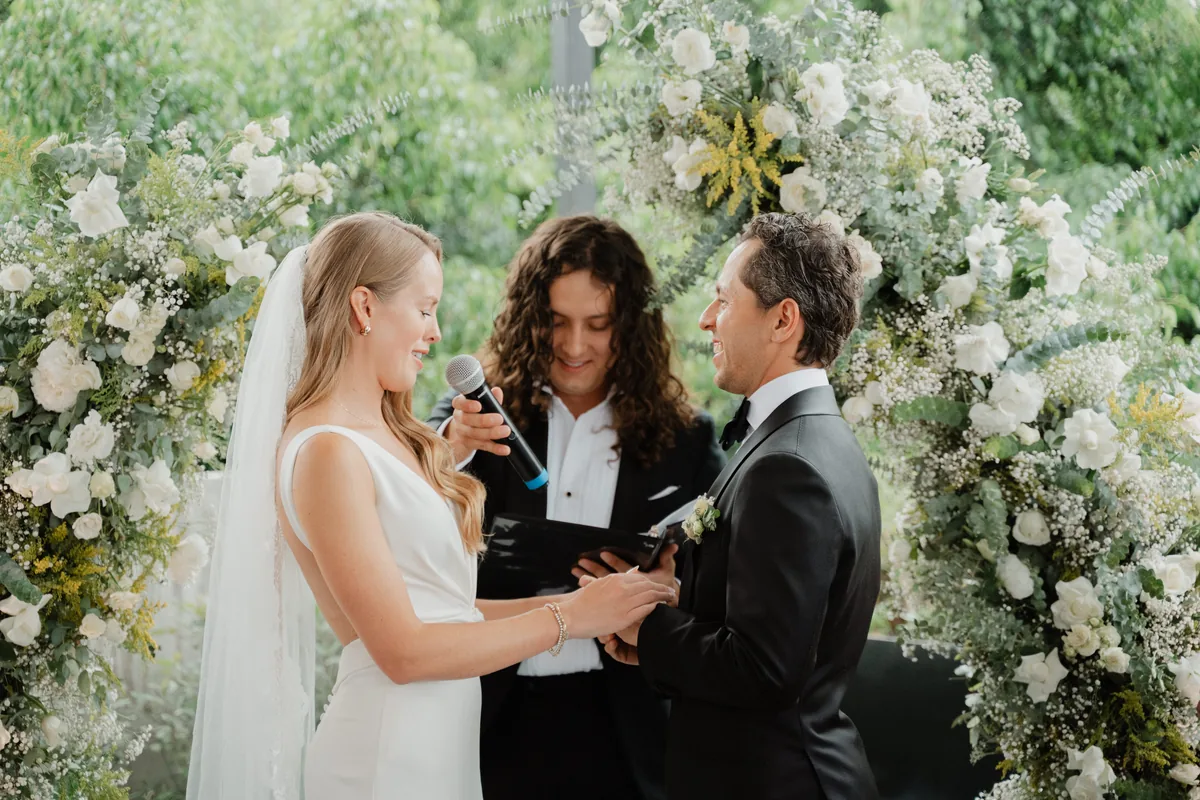
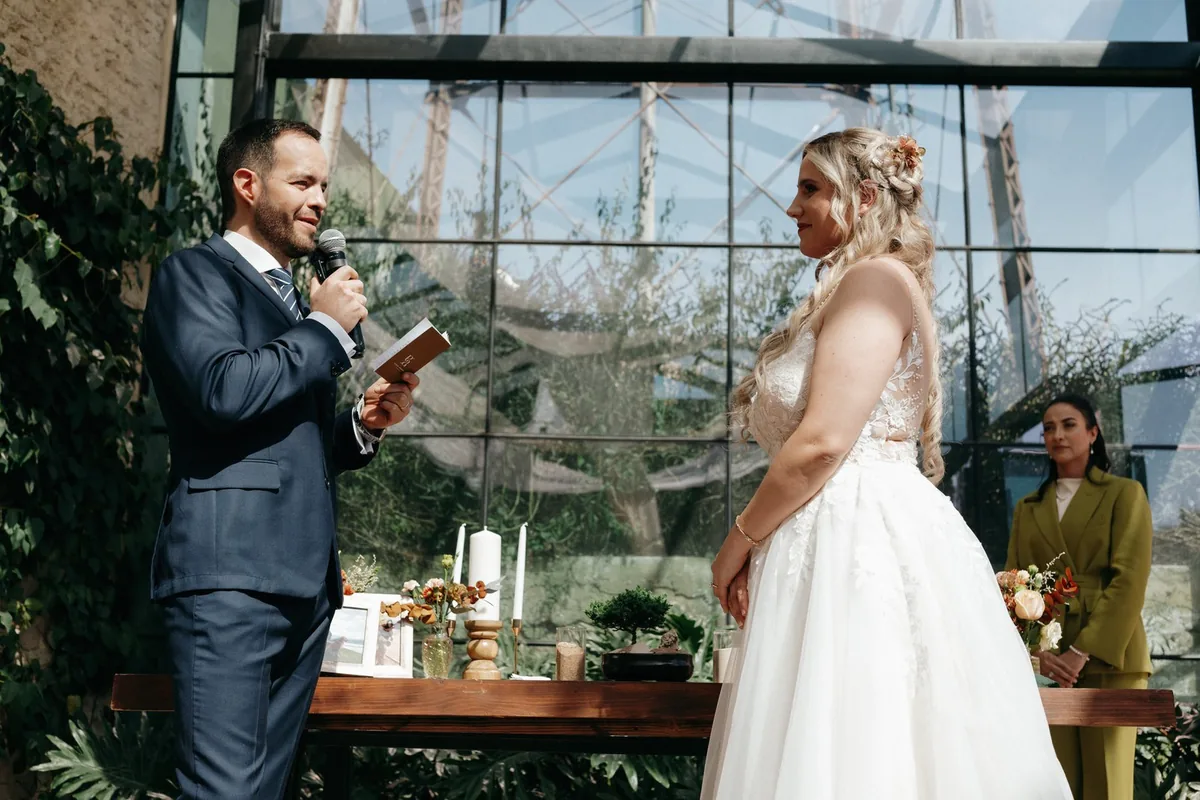
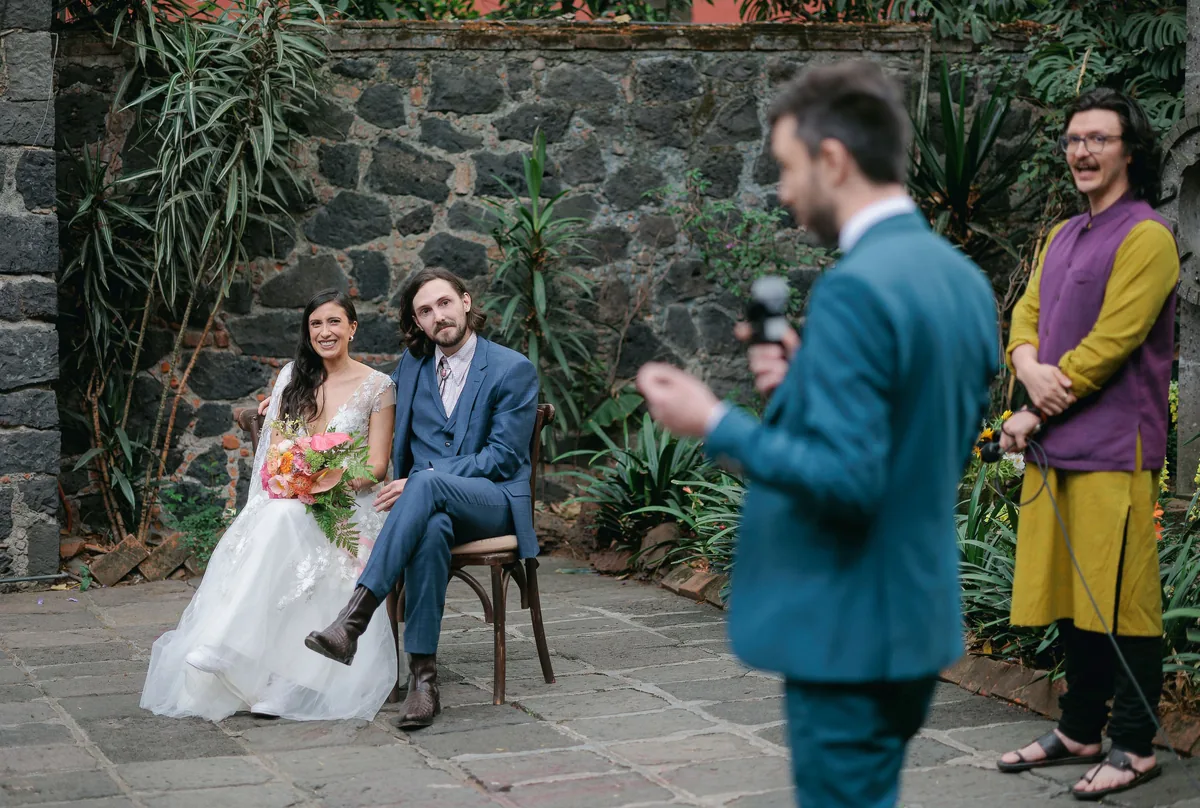
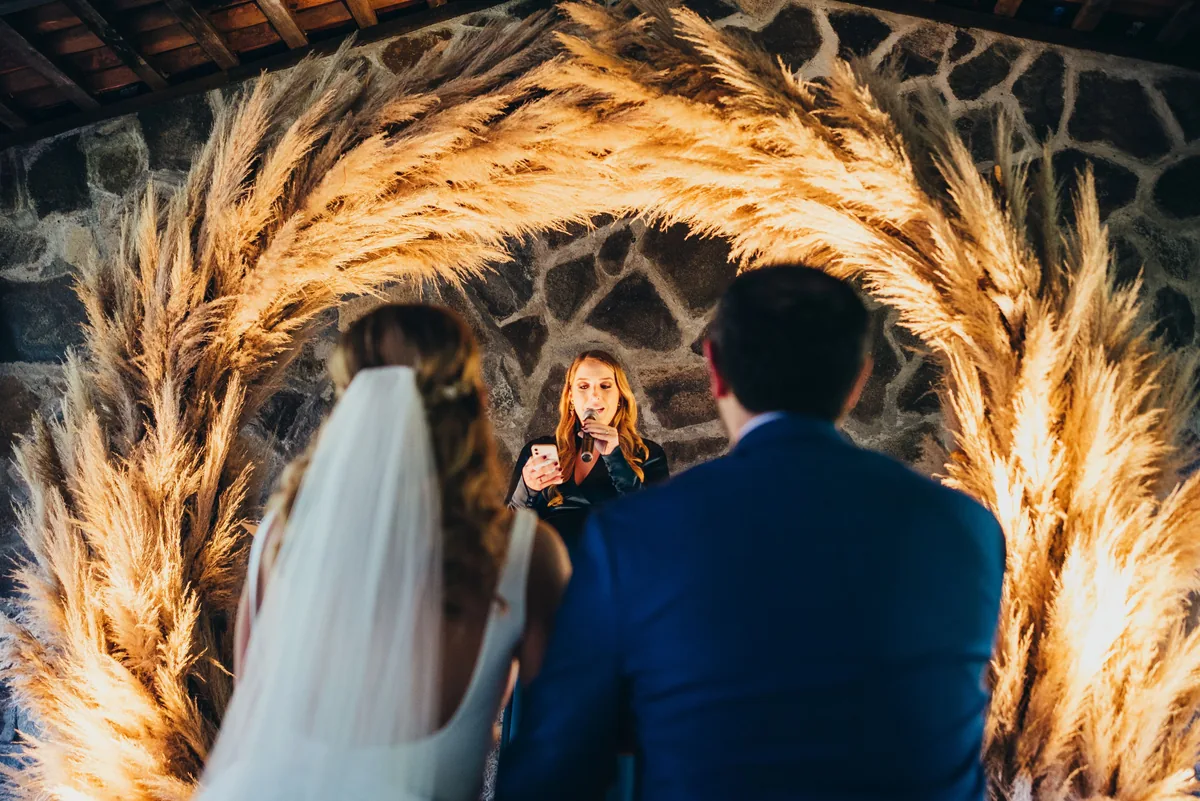
A symbolic ceremony is a beautiful alternative for couples without going through the legal process of getting married in another country, many couples choose to take care of the legal paperwork at home, either before or after their trip, and reserve their destination wedding for the experience they've always imagined and honestly, we think there's something wonderful about that.
A symbolic ceremony is not a legal marriage - it is a personal celebration of your commitment, and it gives you the freedom to shape the moment around your relationship. You can choose who leads the ceremony, what language it takes place in, which readings or music are included, and how you want to exchange your vows, include meaningful traditions from your cultures, invite a close friend or family member to lead the ceremony, or create something entirely your own.
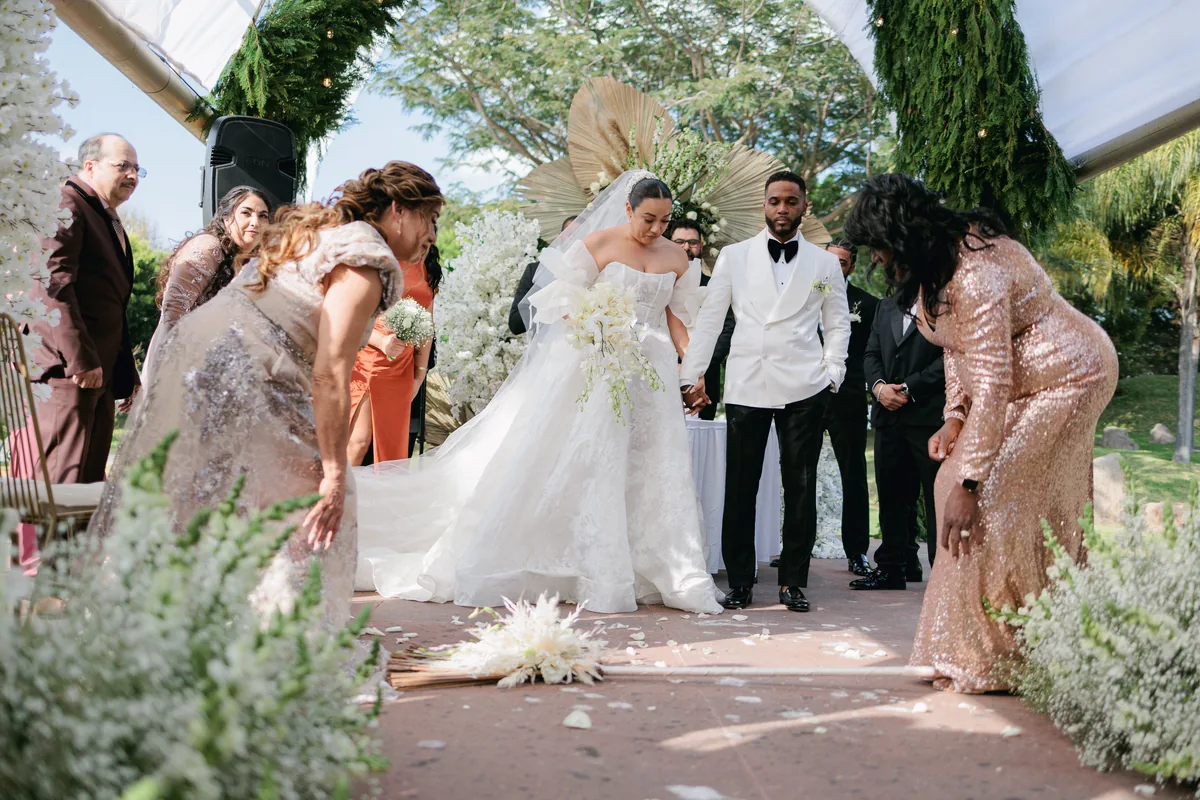
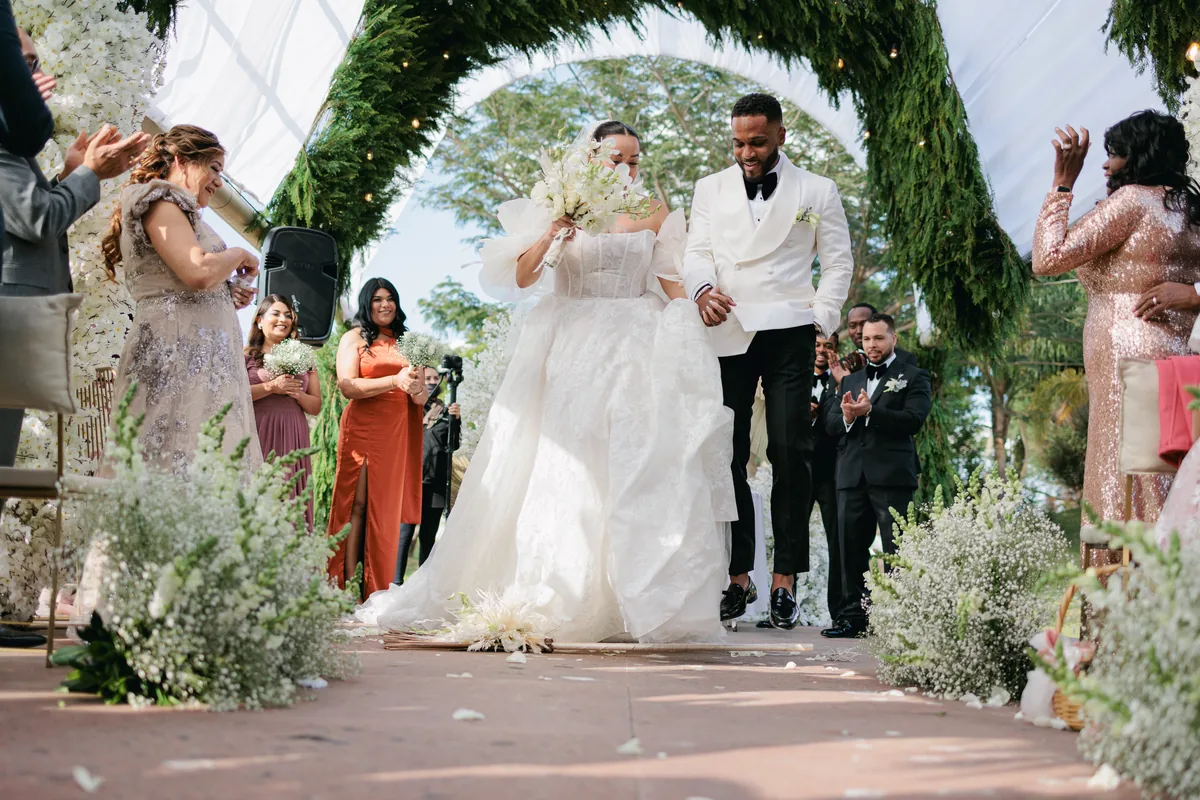
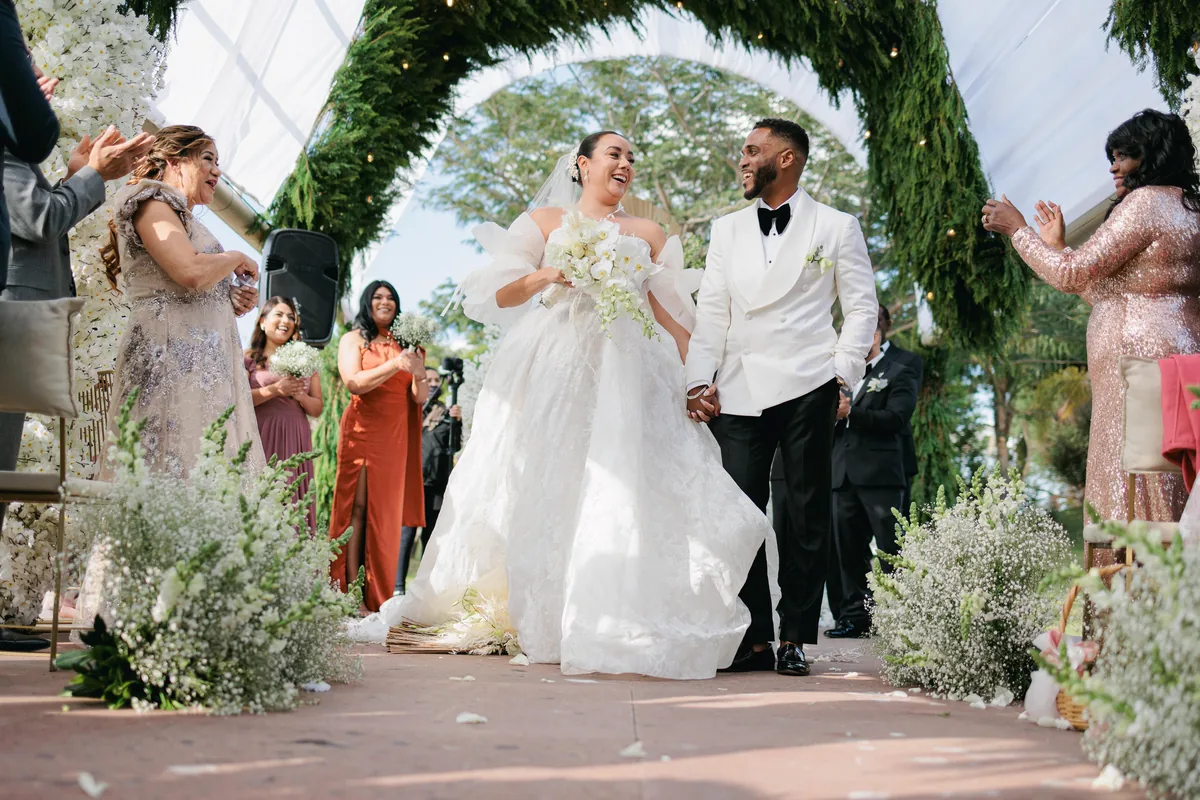
In the United States, enslaved African Americans were often denied a legal marriage, and many marked their union by jumping the broom, usually at the end of the ceremony. Couples still include it today as a way of honoring that history.
The important distinction is that if you want your marriage to be legally recognized in Mexico, you will need a civil ceremony performed by the Civil Registry. A symbolic or religious ceremony alone does not create a legally recognized marriage under Mexican law. Here is the link to CDMX Civil Registry.
Good to know: Requirements for civil marriages can vary depending on the state, so couples considering this option should check with the local Civil Registry.
Also, choosing Mexico as your wedding destination doesn't mean leaving your religious beliefs or traditions behind, if faith is an important part of your relationship, there are ways to incorporate it into your celebration. You can work with your wedding planner to explore the possibilities available in the location you've chosen, whether that means arranging a religious blessing, inviting a religious leader to lead a prayer, or organizing a formal religious ceremony.
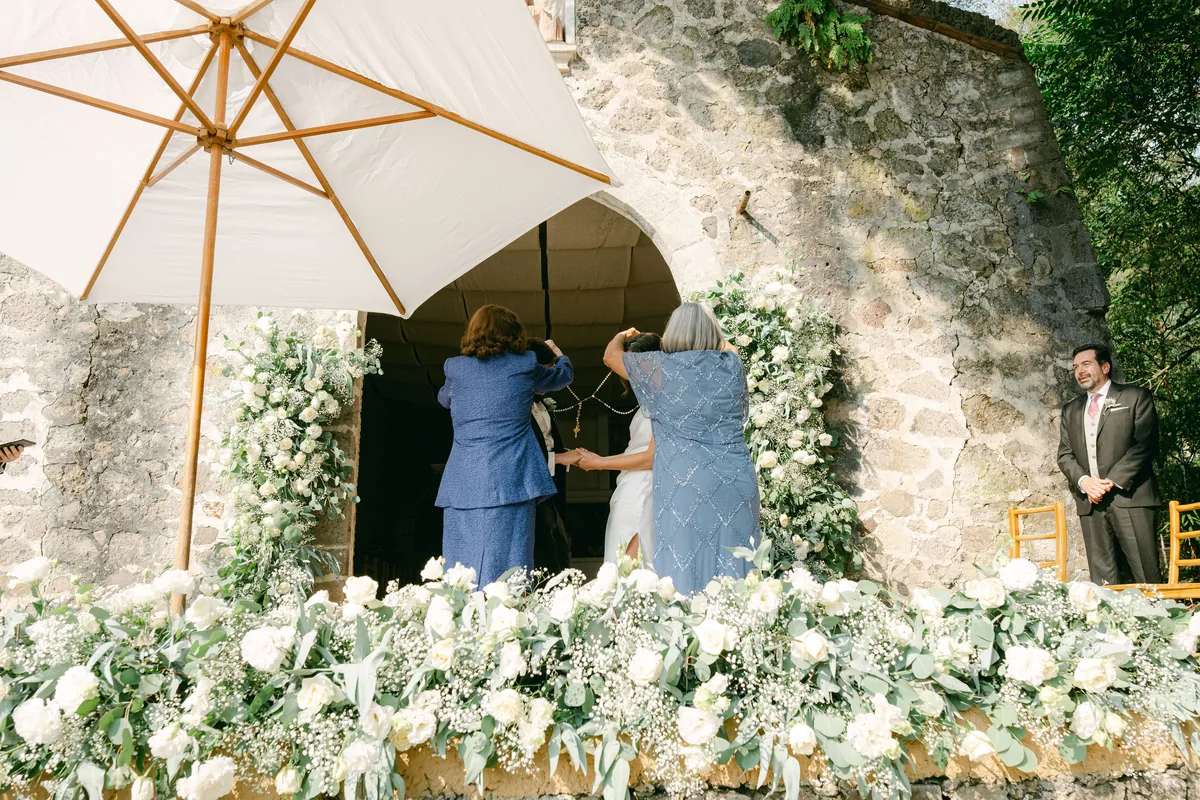
For some couples, a blessing is exactly what they are looking for: a moment to give thanks, ask for guidance, and celebrate their commitment in the presence of God and their loved ones; for others, having an official religious ceremony is an essential part of getting married - this can also be possible in Mexico. We have worked with international couples who chose to celebrate formal religious ceremonies here, and it is something that can be explored with the appropriate religious community and your wedding planner.
The process and requirements will depend on your faith, the religious institution, and the location. Some ceremonies may require preparation, documents, permissions, or prior arrangements with a local congregation.
Tip: A wedding planner can help coordinate the logistics and connect you with the right people, while the religious authority will guide you through the requirements of the ceremony itself.
Your wedding can take place in another country without losing the traditions that are important to you.
For couples coming from different countries or cultural backgrounds, a destination wedding is often much more than a celebration, it’s a meeting point between families, traditions, languages, and different ways of expressing love, that is why a symbolic ceremony can be a beautiful space to bring those worlds together.
Perhaps you want to incorporate a reading in your native language, include a family tradition, exchange handwritten vows, or simply have someone who knows you both tell your story, you can even combine elements from different cultures to create a ceremony that feels genuinely yours.
We've always believed that the most memorable weddings aren't necessarily the ones with the most elaborate productions - They're the ones where you can recognize the couple in every detail.
Here are a few ideas that can add meaning to your ceremony:
The Handfasting Ceremony
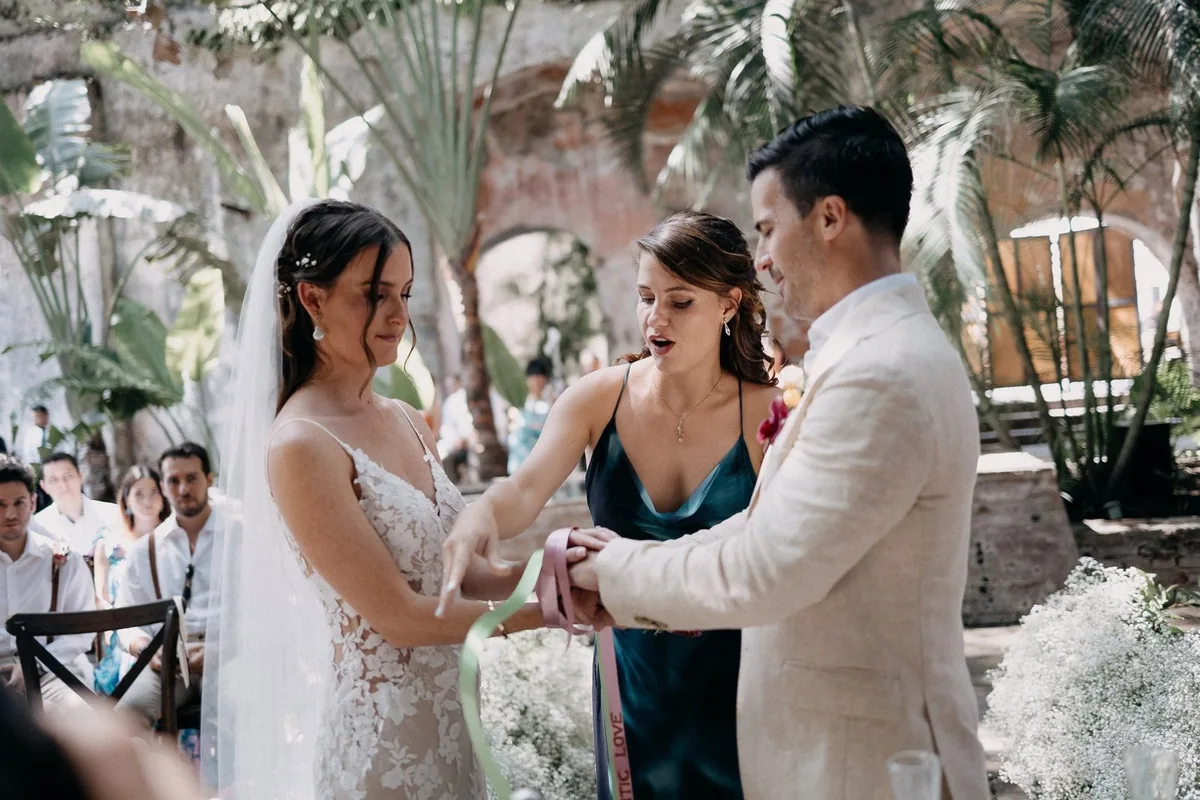
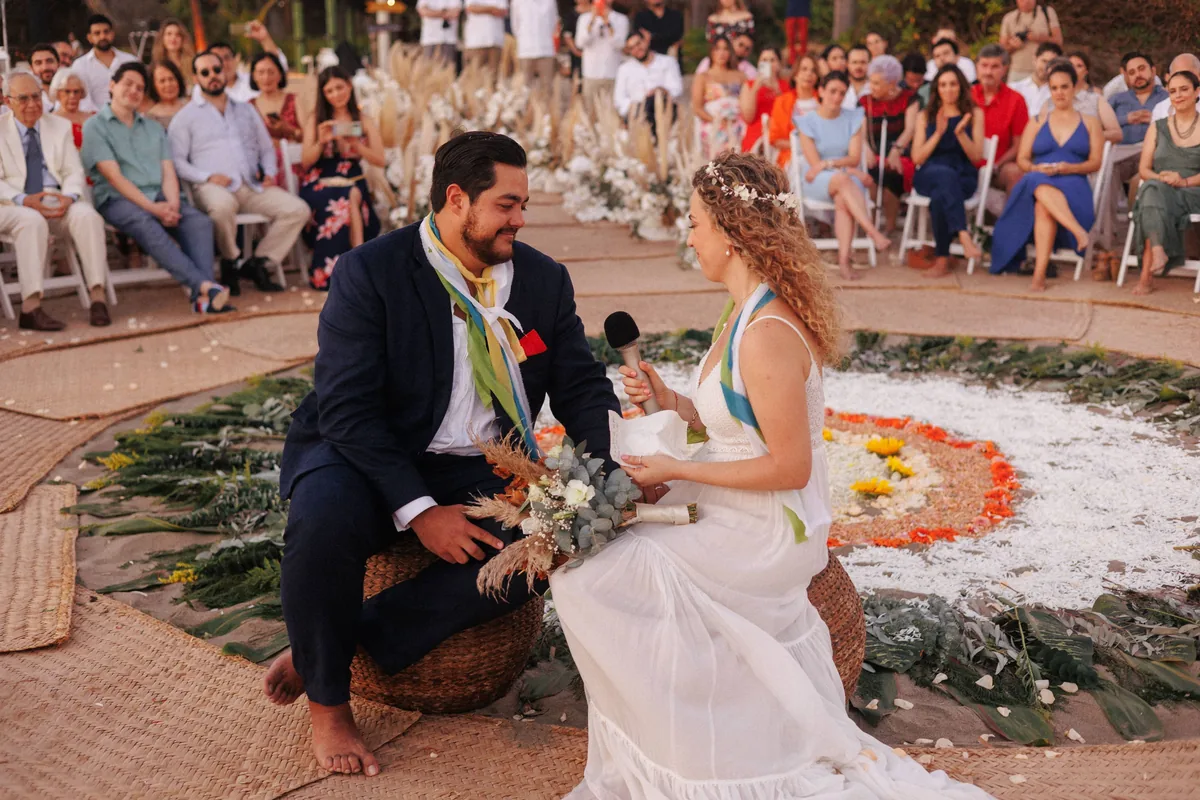
Handfasting is a ritual in which the couple's hands are gently tied together with ribbons or cords. Often associated with Celtic traditions, it symbolizes the bond and commitment being formed between two people, the colors or materials can be chosen for personal reasons, and the ritual can be adapted to include family members or other loved ones.
The Sand Ceremony
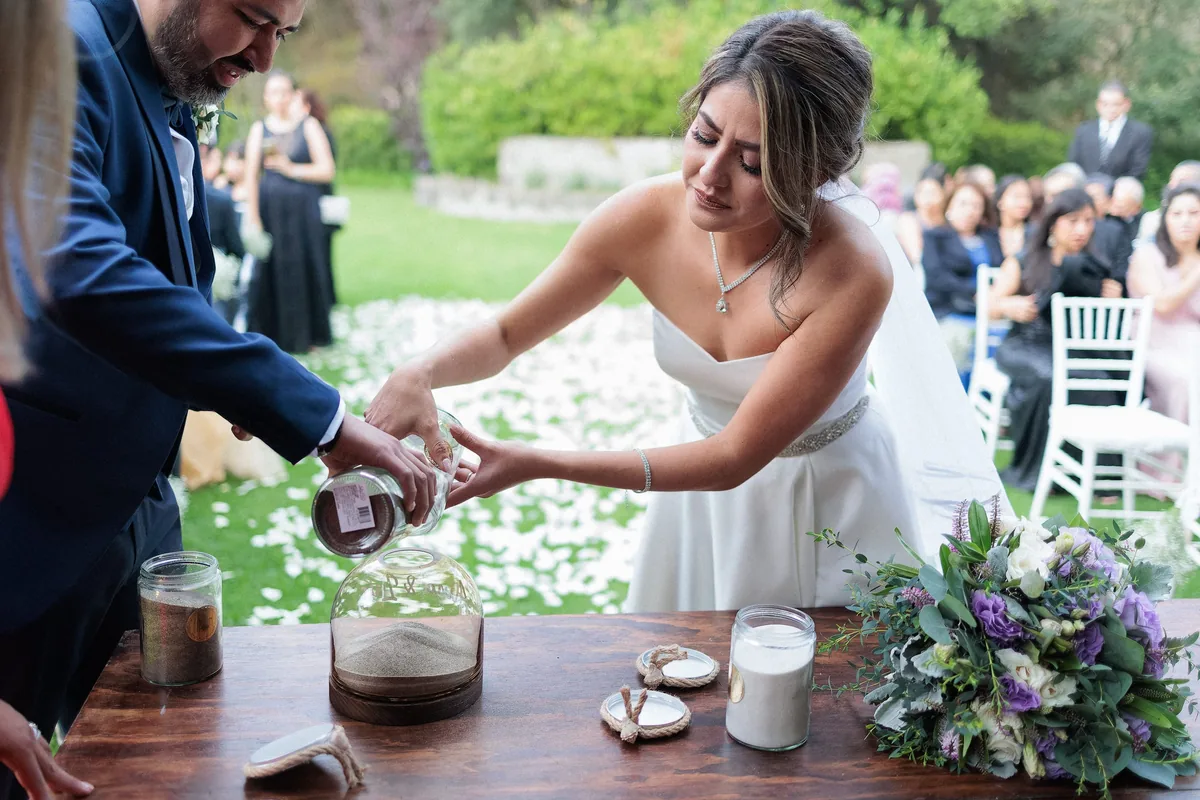
Each partner pours sand, often in different colors, into a shared vessel, and as the grains come together, they represent two individual lives joining to create something new. It can also be a lovely way to include children or family members, making the ritual a symbol of the family you are building together.
The Unity Candle
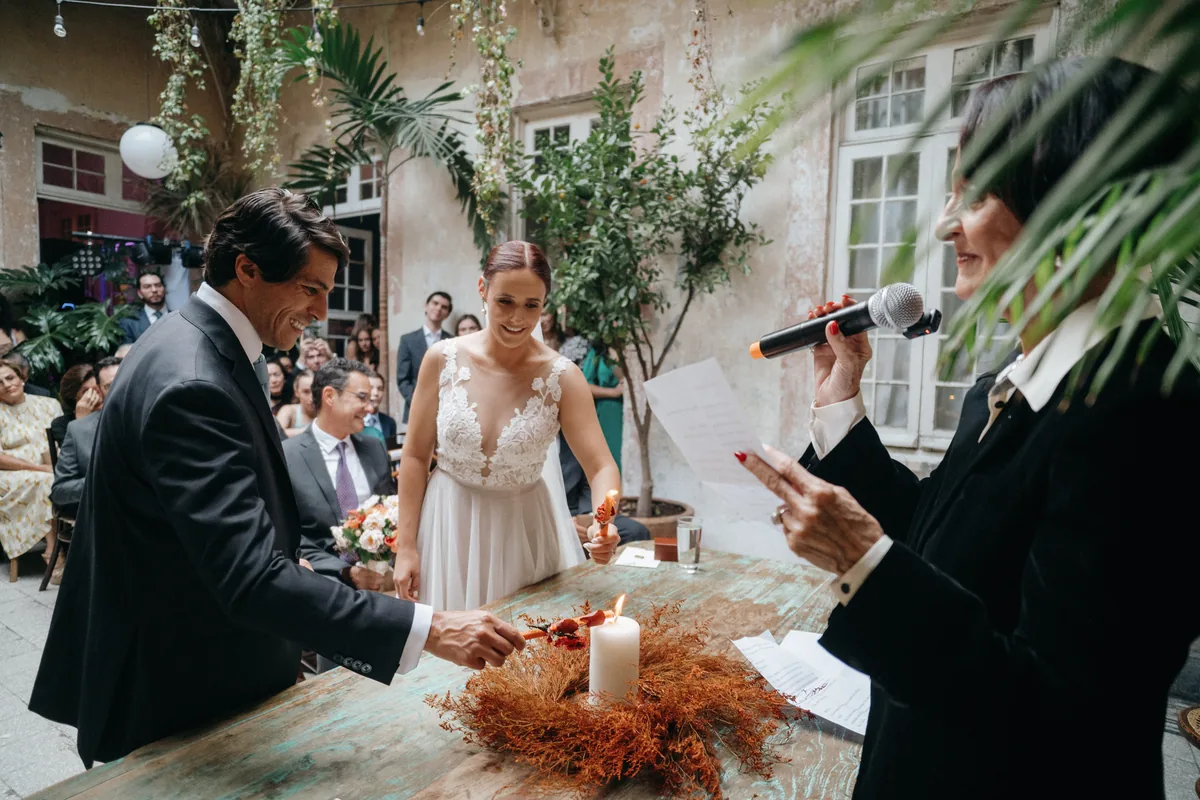
The couple each holds a candle and uses them to light a larger candle together. The gesture represents two individual lives coming together while still honoring the people you were before you met, it is a simple ritual that can be especially meaningful and also accompany a ceremony perform by a close friend or family member with traditional vows and ring exchange.
The Four Elements Ceremony
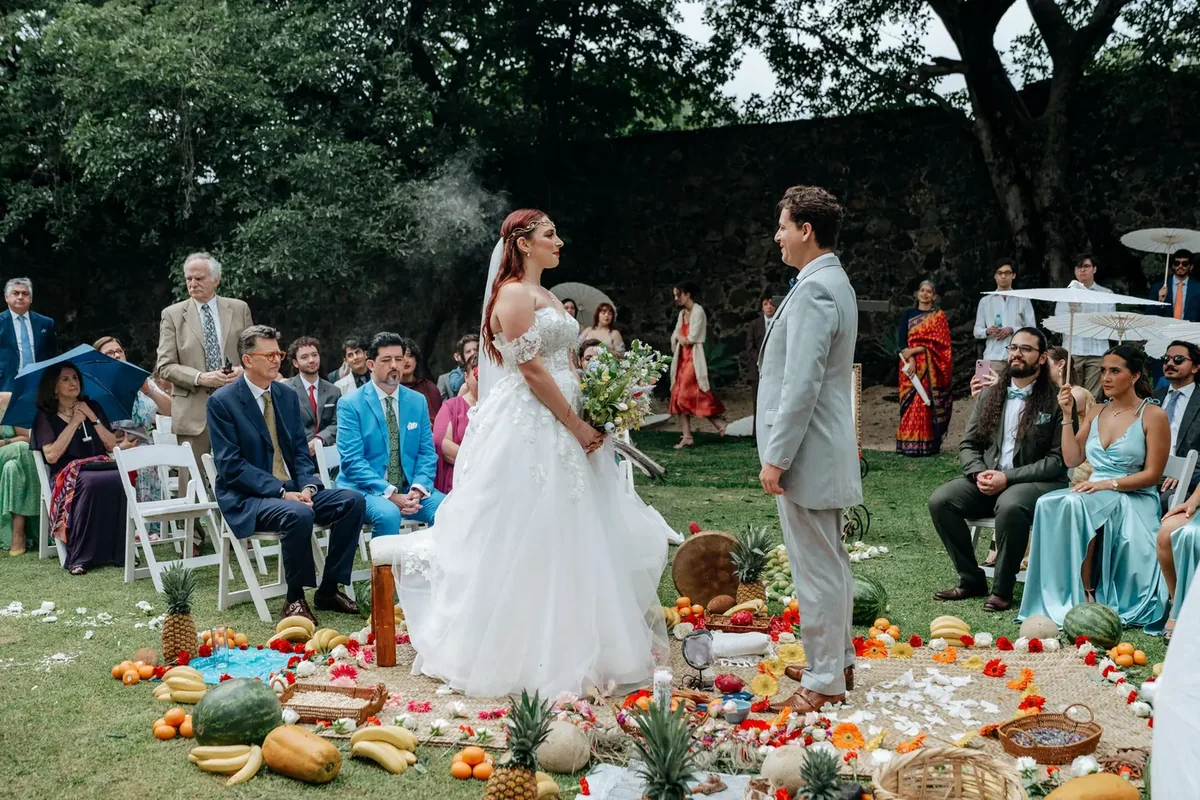
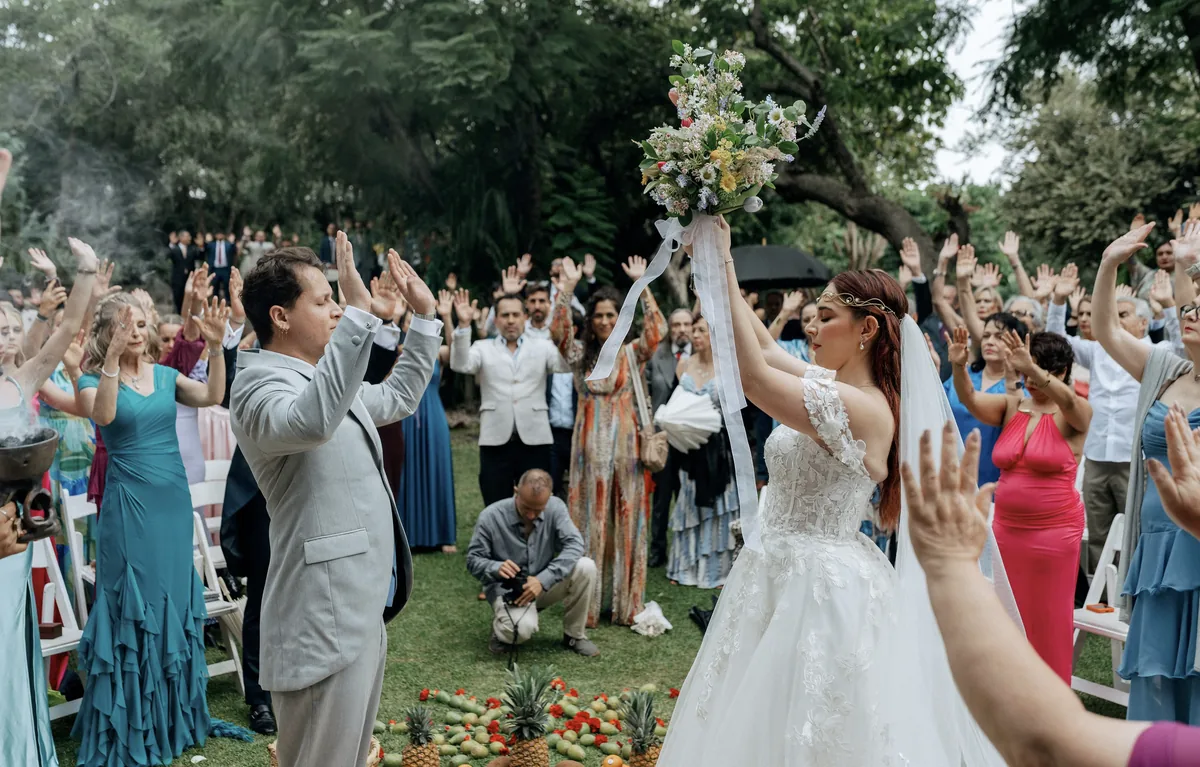
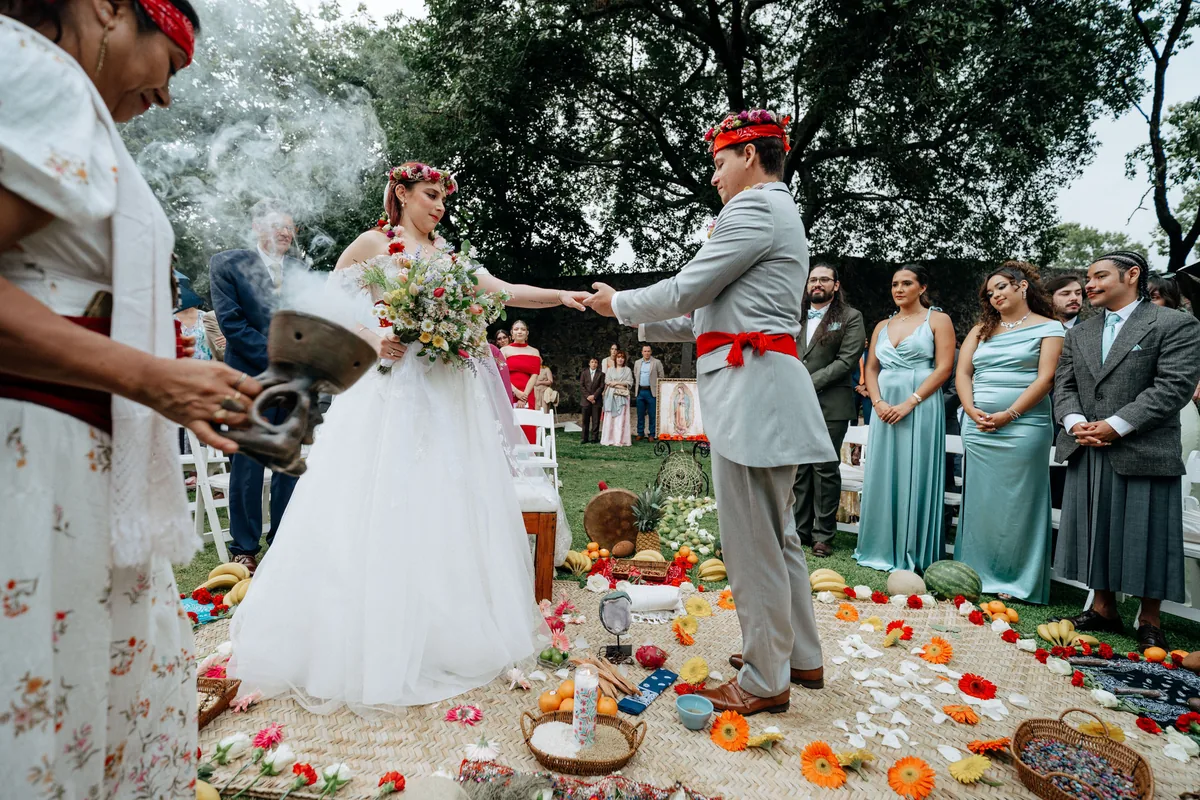
Inspired by the connection between nature and spirituality, this ceremony brings together earth, air, fire, and water, each representing an essential part of a lasting relationship. Earth symbolizes stability and growth, air represents communication, fire reflects passion and warmth, and water embodies adaptability. In some contemporary Zapotec-inspired ceremonies in Mexico, these elements are represented through flowers, seeds, copal, and water, creating a symbolic offering for the couple's new beginning.
The Coffee or Chocolate Ceremony
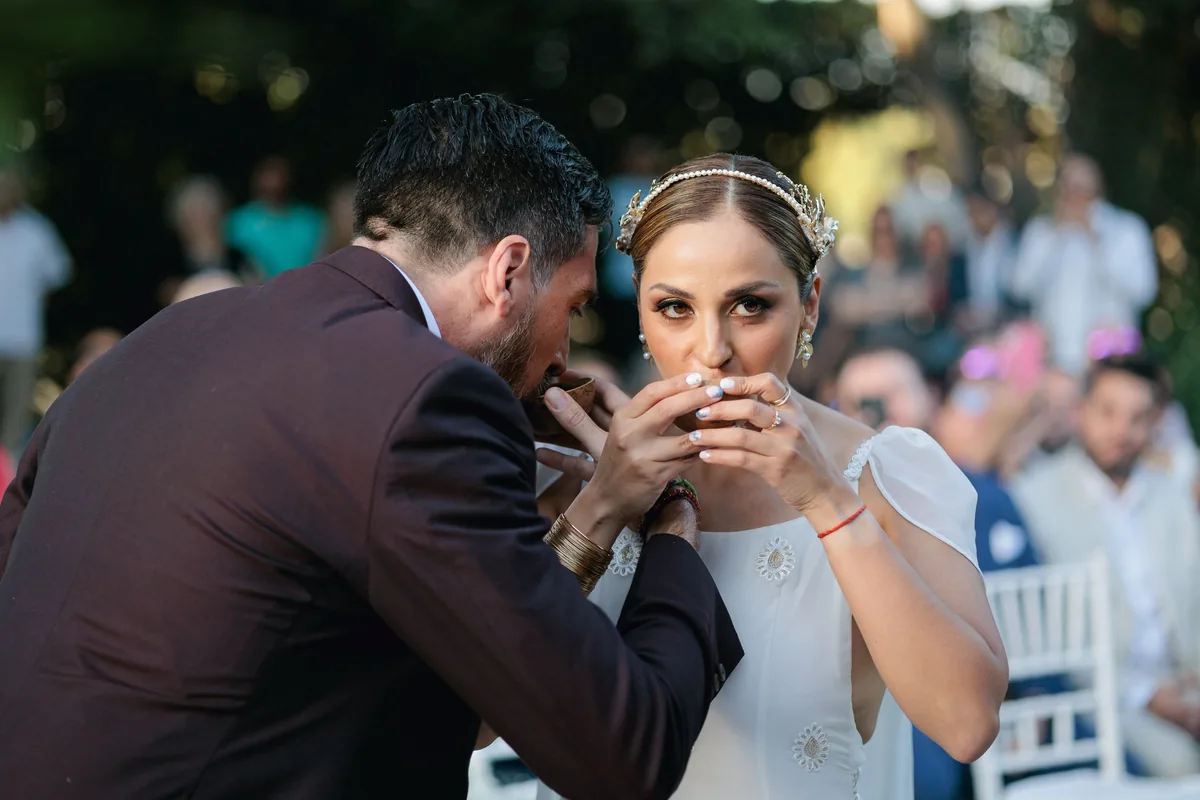
Rooted in Ethiopian tradition, the coffee ceremony is a beautiful expression of hospitality, friendship, and community. Coffee is traditionally roasted, ground, and prepared in a clay pot before being shared among family and guests.
For a wedding, this ritual can be adapted as a moment of connection between the couple and their loved ones, symbolizing the warmth of welcoming people into their shared life and making time for those who matter most.
The Prehispanic-Inspired Mexican Wedding Ceremony
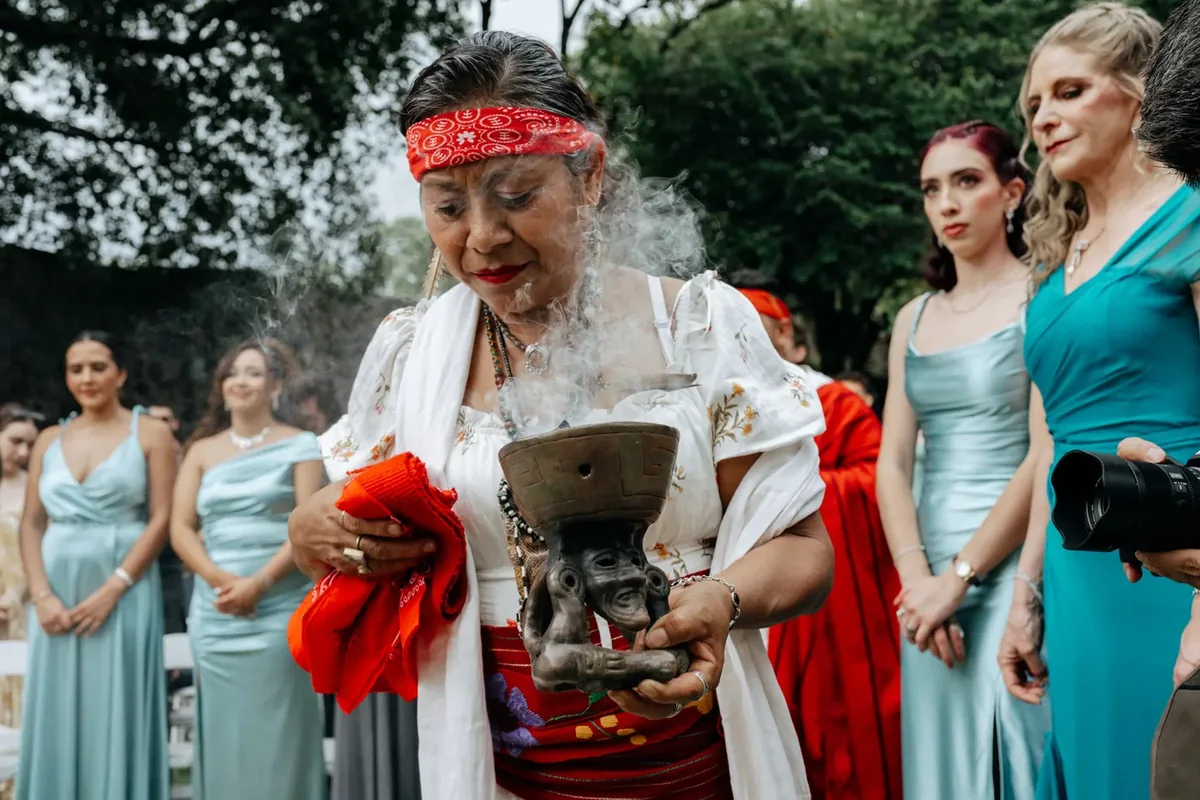
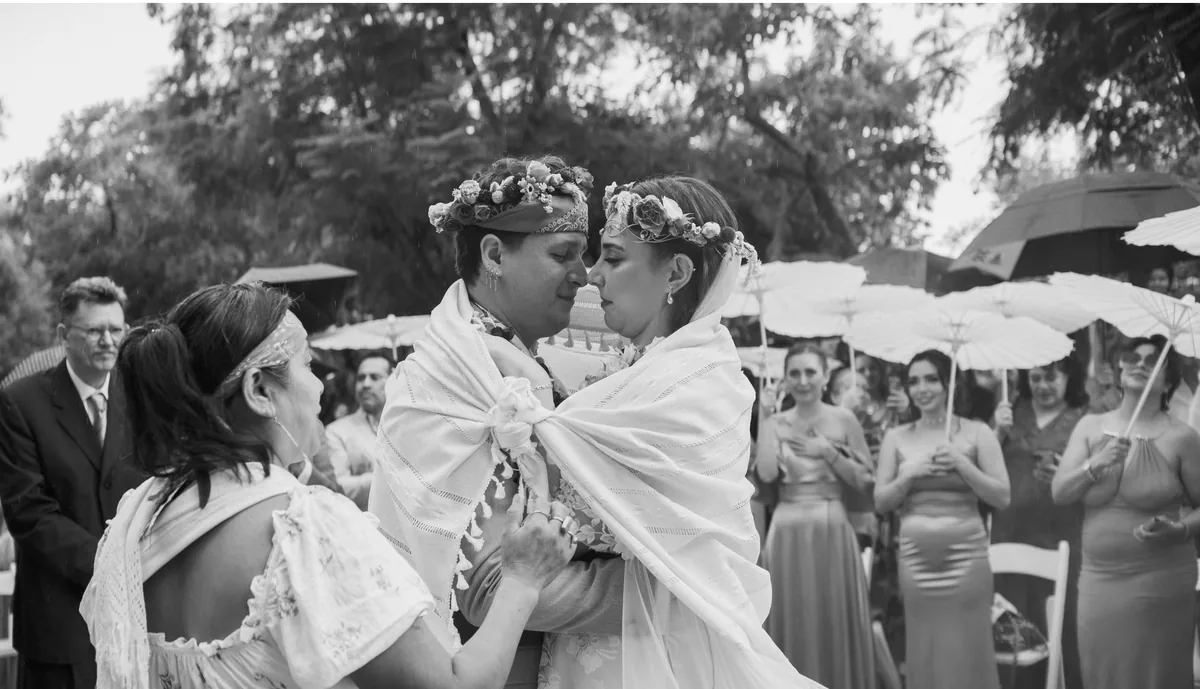
Inspired by traditions from the Nahua communities of Veracruz, this ceremony celebrates the couple's union through nature, spiritual connection, and the symbolism of everyday elements. A spiritual guide may use copal incense to bless the couple, wash their hands with water as a symbol of purification, and incorporate corn, flowers, and a sacred fire to represent abundance, protection, and the warmth of their future home. Music and dancing can bring the ceremony to a joyful close.
Or inspired by the ancient Olmec civilization and contemporary spiritual practices in Veracruz, this ceremony connects the couple with nature and the four cardinal directions. The ritual may include copal and medicinal herbs, symbolic offerings to Mother Earth, and a ceremonial cord that represents the couple's union. Some experiences also incorporate a temazcal, symbolizing renewal and the beginning of a new chapter together.
Your wedding doesn't have to look like anyone else's. It only has to feel like yours.
At the end of the day, your wedding should feel like yours. Whether that means a traditional ceremony, an intimate exchange of vows, or a celebration that brings together different cultures and traditions, what matters most is the meaning behind it.
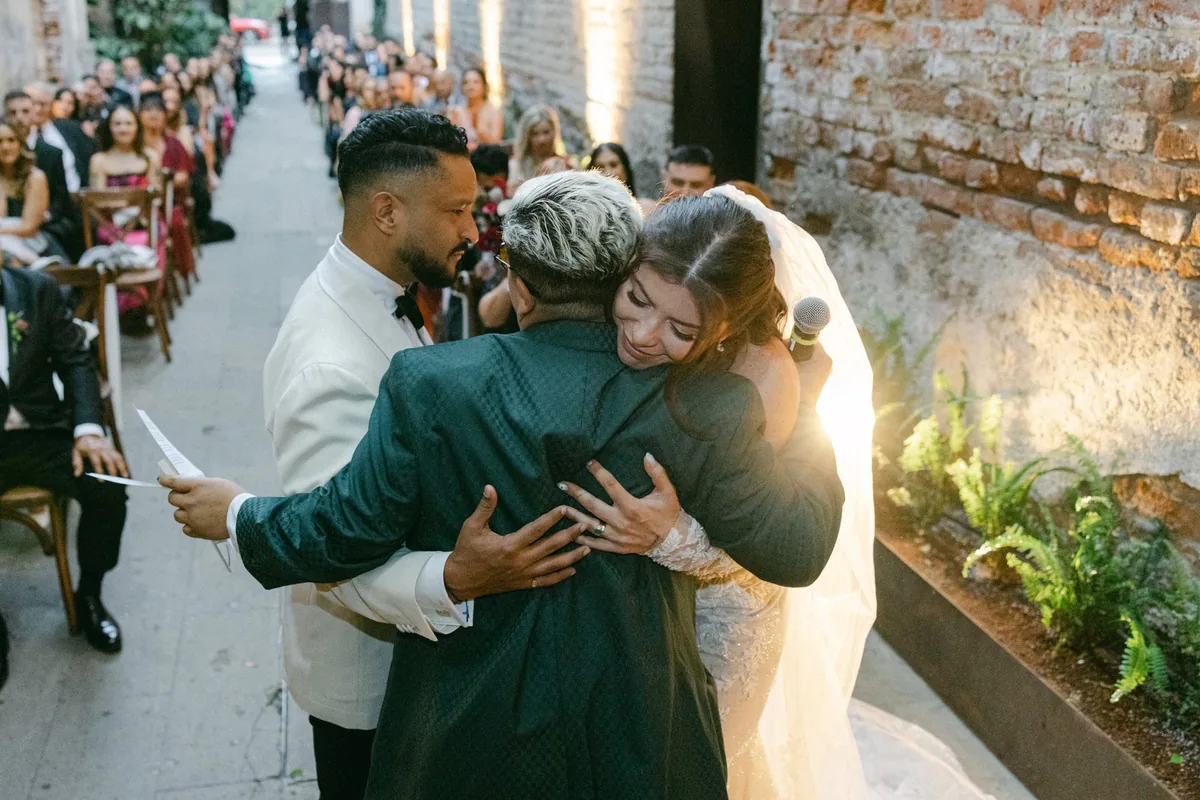
And if Mexico is the place you've chosen to celebrate, we'd love to help you preserve every part of that experience.
Tell us about your wedding